
‘You really aren’t alone,’ middle school student suffering depression learned through Speak Up program
Manitoba educators are hitting the books to learn about mental health in teenagers — and how to share that knowledge in the classroom.
It’s all part of the Canadian Mental Health Association’s latest efforts to expand Speak Up, a program to help more kids recognize mental illness struggles they may be facing, and to feel free to speak up if they think they need help.
“We all have mental health, but not everyone knows what that means, and that when we’re not at our own normal, we might have a mental illness,” said Michelle Kowalchuk, the youth mental health co-ordinator with the CMHA’s Manitoba and Winnipeg division.
The Speak Up program, created in 2013, originally consisted of just one person, who facilitated the five-day course in middle schools throughout the province.
This week, however, Speak Up is expanding — 25 guidance counsellors, clinicians and teachers will also be trained to become Speak Up facilitators. They, in turn, will bring the program to more schools and classrooms and, ideally, start more discussions with students.
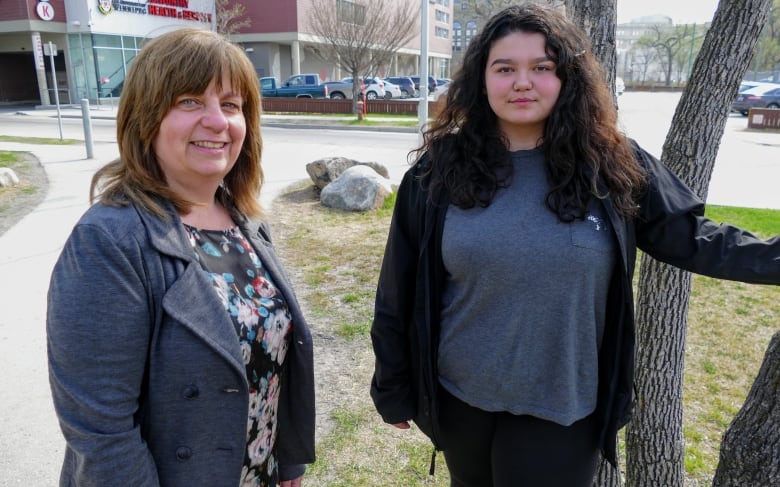
“The goal is to reduce the stigma about mental illness and encourage help-seeking behaviour,” says Kowalchuk, who is tasked with expanding the program with the Winnipeg School Division and others.
‘It feels like you’re trapped’
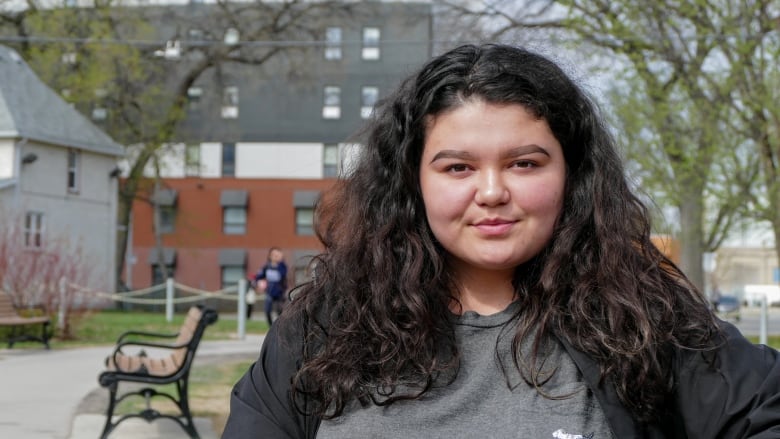
Ricky Crain is grateful for Speak Up.
The 14-year-old student at Andrew Mynarski School in Winnipeg was diagnosed with depression and anxiety when she was 11. It’s a battle that she often fights in silence.
“It can feel, like, really, really, really alone sometimes,” Crain says.
“It feels like you’re trapped or you’re stuck in a place you don’t want to be. Or you’re constantly thinking about something but you don’t know how to explain it, because sometimes that can be hard.”
When the Speak Up program came to her school last fall, she says she was excited that someone was explaining to her classmates exactly what she — and others — go through. Now that more facilitators are being trained to run the Speak Up program, she hopes more students will be reached.
“I felt like finally, maybe everybody else would understand a little bit more,” she said. “And it helped me understand that you really aren’t alone, even though you feel you are.”
You can find more information on Speak Up and other mental health strategies for youth here.